Before diving in too deep, let's take a closer look at what ROC really is and how it differs from traditional tendering.
What is Result-Oriented Collaboration (ROC)?
ROC is all about genuine collaboration toward a shared goal. Instead of a client prescribing every detail, both parties agree on specific performance outcomes. The contractor actively contributes ideas on how to achieve the desired results most effectively.
By focusing together on long-term goals and what truly matters, the process becomes more efficient. Everyone knows their responsibilities, takes ownership, and works from a foundation of trust toward sustainable results.
The core principles of ROC are:
- Focus on outcomes, not hours
- Long-term partnerships rather than one-off projects
- Predictability and transparency, ensuring all parties know what to except, reducing failure costs in the process
Who is ROC relevant for?
ROC is particularly relevant for companies in the property maintenance sector. If you work as a painter, carpenter, installer, glazier, or within a full-service maintenance company, ROC likely affects—or soon will affect—how you operate.
And let’s not forget the clients: housing associations, municipalities, and property owners. These organizations play a key role in the ROC model.
Why? Because in 99% of cases, clients are looking for partners who can deliver predictable, result-oriented performance—within the boundaries of quality, cost, and lead time. By working according to the ROC model, you ensure compliance with these expectations.
The seven ROC phases integrated in vPlan
The ROC framework consists of seven key phases. To paint the full picture, let's go through them briefly:
- Initiation phase: the client's needs and goals are discussed
- Plan development: creation of a plan to achieve the maintenance and improvement objectives
- Plan elaboration: detailing the plan with all specifications and requirements
- Project preparation: planning and organizing the actual execution
- Project execution: performing the work according to the plan
- Project handover: formal transfer and completion of the project
- Management phase: ongoing maintenance and safeguarding long-term results
What does this look like in practice?
Imagine a maintenance company starting a multi-year collaboration with a client to bring a large portfolio of homes up to a certain quality standard. The work includes painting, wood repair, glass replacement, and installation tasks—a complex project involving dozens of people, materials, and schedules.
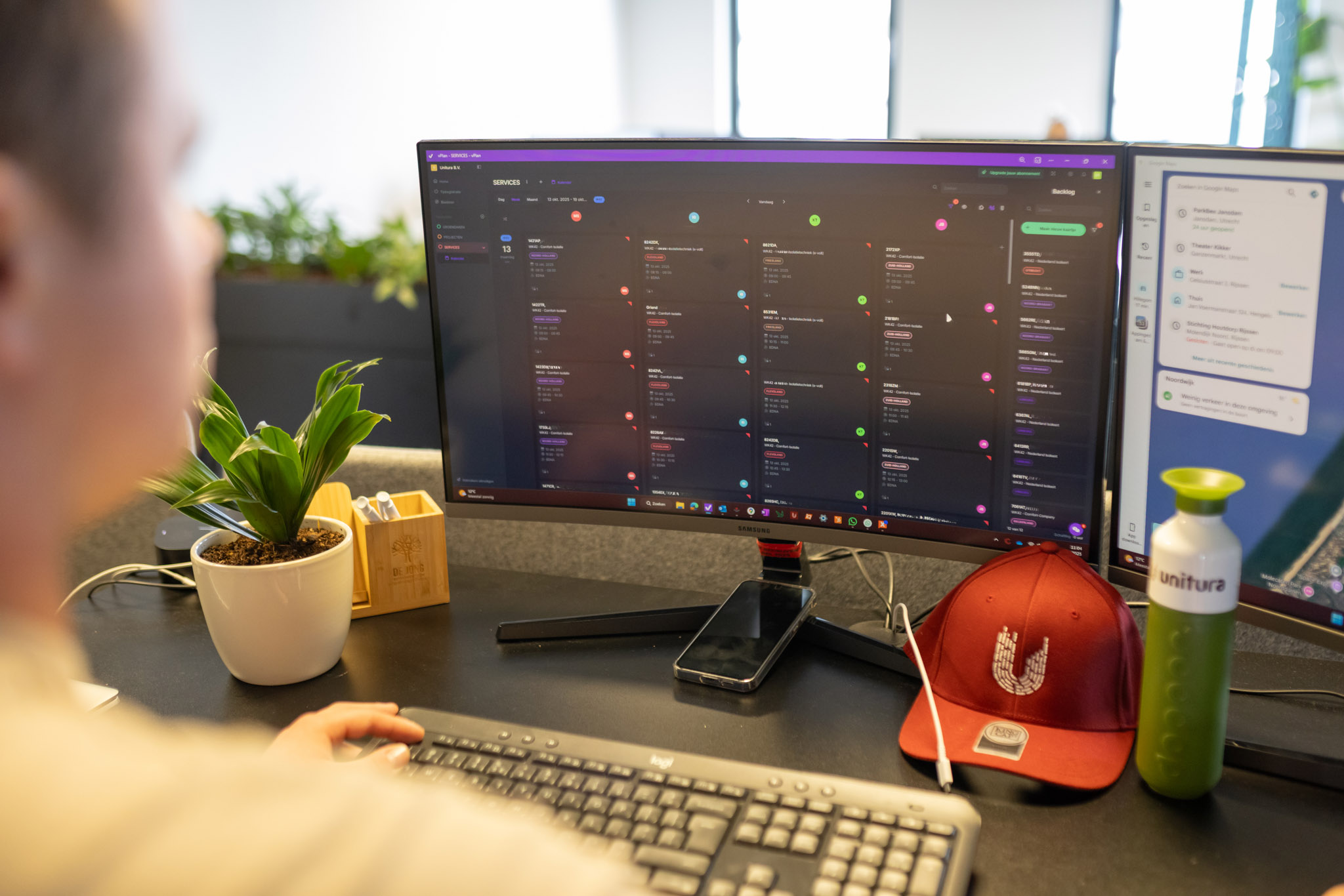
Instead of juggling Excel sheets and endless phone calls, everything is organized in one central plan. In vPlan, the seven ROC phases form the structure of your planning process. The plan begins with the initiation phase—where goals and requirements are captured—and continues all the way to the management phase, where ongoing maintenance is secured.
Each phase contains its own activities: inspections, quick scans, meetings, document deadlines, and on-site work.
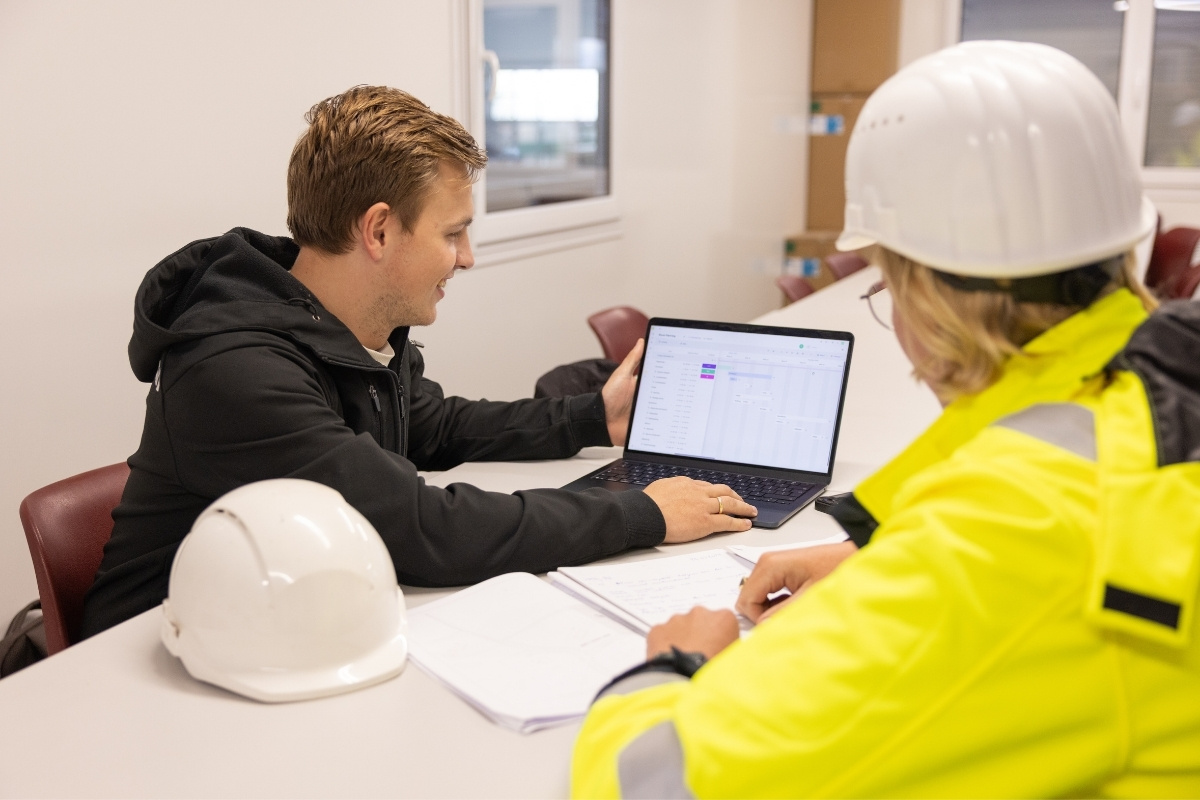
Within vPlan, you can visualize this in the view that suits you best. For example, in a timeline view, you’ll see a clear visual flow of colored bars representing who’s doing what, when tasks start, and when they’re due. Any delays or early completions are instantly visible. The result: office and field teams work from the same plan, with full visibility and no confusion.
This transforms ROC from an abstract concept into a practical, actionable workflow—where every phase, task, and partner is connected. The outcome? More structure, more clarity, and stronger collaboration. Exactly what ROC stands for.
Conclusion
ROC is all about results, clarity, and collaboration. By translating the seven ROC phases into vPlan’s workflow, you create one visual, dynamic system. From the first quick scan to the approval of a budget or project completion, vPlan brings structure and transparency to every step of the process.
Curious to see what this could look like for your organization?
Book a free demo today and discover how to set up your full RGS process in vPlan.

Work at vPlan
We are looking for new colleagues.