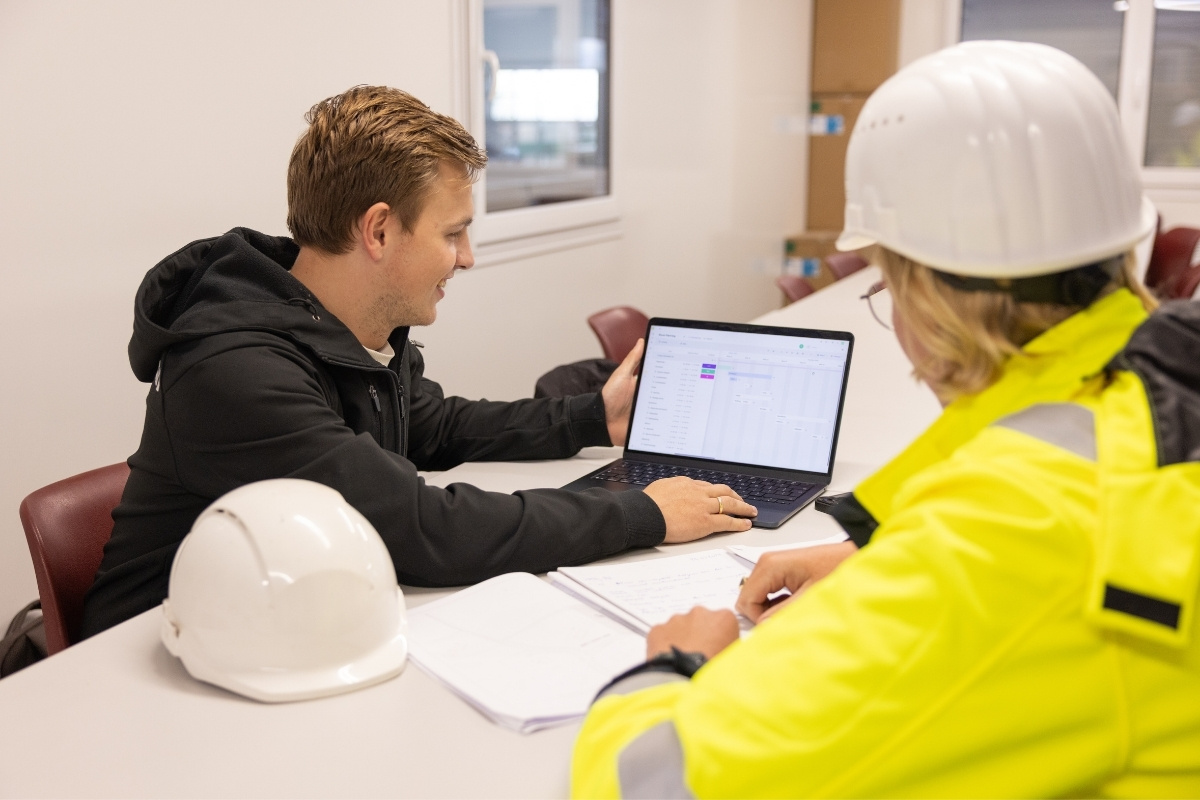
Improving Collaboration in Your Team
Improving collaboration in your team starts with conscious choices. It’s not just about working together on projects, but about creating an environment where everyone knows what is expected of them. When tasks, roles and communication are clear, not only does productivity increase, but so does the enjoyment of working together. In the sections below, we’ll show you exactly what to focus on and how to improve team collaboration step by step.
Why Teamwork Is Crucial
Collaborating within a team is crucial because it determines whether your organisation achieves its goals or gets stuck in fragmented efforts. When team members combine their strengths, true synergy emerges: the sum of individual talents creates results that go far beyond what each person could achieve alone.
You can often recognise teams that collaborate effectively by:
- Higher productivity - goals are achieved faster and more efficiently.
- More innovation - combining different perspectives leads to more creative solutions.
- A better working atmosphere - less stress and greater job satisfaction result in more motivated employees.
- Stronger commitment - team members feel responsible for achieving shared results.
In short: effective teamwork is not a luxury, but an essential condition for sustainable success. You see it immediately in teams that effortlessly keep agreements, communicate clearly and celebrate achievements together.
Setting Clear Goals for Effective Teamwork
The first step in improving collaboration within a team is to define a shared goal. Nothing unites a team more than working towards something together. It provides direction, motivates, and makes it clear how each individual contribution adds to the bigger picture.
An important aspect is that this goal should not be determined by leadership alone, but embraced by the entire team. This way, you create ownership and genuine commitment.
To formulate these goals effectively, you can use the SMART method (Specific, Measurable, Achievable, Realistic and Time-bound). Many people may remember it from school, but in practice it proves to be a very useful tool for creating goals that the whole team can support. SMART helps you turn vague ambitions into concrete agreements that are clear and achievable for everyone.
💡 Practical tip: use a shared tool where goals and progress are visible to everyone. This prevents duplicate work and keeps the whole team on track.
Building Trust Within Your Team
Trust is the foundation of effective teamwork. Teams that lack trust often waste valuable time on politics and doubt. You build trust by:
- communicating openly and honestly,
- keeping your promises,
- and viewing mistakes as learning opportunities rather than reasons to assign blame.
As Stephen Covey once said: “Trust is the glue of life. It’s the most essential ingredient in effective communication.”
Encouraging Effective Communication
Once the goals are clear and trust has been established, the next step is to improve communication within your team. Effective communication is the glue that holds all other elements of teamwork together. Without clear agreements and open dialogue, misunderstandings, duplicated work and frustration quickly arise.
Good communication goes far beyond simply holding regular meetings. It’s about:
- Active listening - truly hearing what the other person is saying, without immediately coming up with a counterargument.
- Constructive feedback - focused on improvement rather than criticism of the individual.
- Being open to ideas - even if they don’t seem directly applicable, they may bring a valuable new perspective.
It is also wise to make agreements about communication channels. When should you use email, when a chat tool, and when to schedule a short stand-up meeting? Setting these expectations prevents important updates from getting lost in endless email threads and helps the team stay aligned.
Optimising Task Allocation and Roles (Belbin Model)
A team only truly functions well when everyone is doing what they do best. The Belbin-model helps with this by distinguishing between different team roles, such as the coordinator, the shaper, the completer-finisher and the specialist. Each role brings unique qualities to the table.
By gaining insight into these roles, you can distribute tasks not only more fairly, but above all more effectively. Someone who excels at organising is better suited to keeping an overview, while a creative thinker is more likely to shine when generating new ideas. In this way, you make the most of everyone’s strengths and avoid frustration or duplicated work.
Creating Psychological Safety in Your Team
Even the best division of tasks won’t work if team members don’t feel free to share their opinions. This is where psychological safety comes in: the assurance that you can admit mistakes, contribute ideas and ask questions without fear of criticism.
Research by Google (Project Aristotle) found that psychological safety is the key factor that sets high-performing teams apart. Teams that foster it are more creative, learn faster and achieve better results.
How can you encourage this in practice?
- Discuss mistakes without pointing fingers, focusing instead on what can be learned.
- Value contributions, even if they are not always used.
- Celebrate shared successes, big or small, so everyone feels they are part of the whole.
Feedforward: Focus on Future Performance
Traditional feedback looks back at what has already happened, but this often leads to defensive reactions. Feedforward, on the other hand, is future-focused: it provides constructive suggestions that help you perform better on the next task.
This makes it positive, motivating, and much more effective for fostering teamwork in a team.
Workflow for Better Team Collaboration
Want to put this into practice straight away? Below is a simple workflow that shows how to strengthen collaboration step by step:
- Define a shared goal - make sure it is clear and measurable.
- Assign team roles - decide who takes which responsibility.
- Plan tasks visually - make progress transparent (for example with vPlan).
- Schedule check-ins - short evaluation moments focused on feedforward.
- Celebrate milestones - boost motivation and strengthen team spirit.
By following this process, you create a solid foundation for sustainable and effective teamwork in your team.
Checklist: Get Started Right Away
✅ Are the goals clear and visible to everyone?
✅ Are roles and tasks divided based on each person’s strengths?
✅ Is there trust and psychological safety within the team?
✅ Have clear agreements about communication been made?
✅ Is there a workflow in place with a digital tool to maintain oversight?
👉 Curious how vPlan can support your team in working together more effectively?
Discover the possibilities of collaborating with vPlan and experience how visual planning and smart workflows can take your team to the next level.
Frequently asked questions
What is the most important success factor for teamwork?
The most important success factor for effective teamwork is trust. Without trust, team members will not dare to show vulnerability or take responsibility. In addition, clear goals and open communication are essential to achieving results together.
How can you quickly improve collaboration in a team?
You can improve collaboration in a team by starting small:
Make clear agreements,
Use a shared tool to keep tasks transparent,
Schedule short, regular check-ins.
This way, you create clarity, prevent misunderstandings and strengthen teamwork step by step.
What are common pitfalls in teamwork?
Many teams get stuck because of:
unclear division of tasks,
poor communication,
lack of psychological safety,
and failing to celebrate successes.
By actively managing these points, you can avoid frustration and work together more effectively.
What role does communication play in effective teamwork?
Communication is the glue that makes team collaboration possible. It’s not only about sharing information, but also about active listening, making clear agreements and choosing the right communication channel. Good communication ensures that everyone stays aligned and keeps the shared goal in focus.
Which tools can help with effective teamwork?
There are several digital tools that can support team collaboration:
Slack – ideal for quick communication and short check-ins.
Trello – useful for organising tasks on simple boards, but less suitable for managing complex processes.
vPlan – the all-in-one solution for teams that want both structure and clarity. With visual planning, task allocation and clear workflows, vPlan helps teams not only to collaborate, but to truly make progress. Discover more about collaborating with vPlan.
What does effective team collaboration mean?
Effective team collaboration means that team members communicate clearly, divide tasks efficiently and work together towards the same goal. This leads to better results and fewer misunderstandings.
Why is effective team collaboration so important?
Good collaboration increases productivity, prevents errors and creates greater job satisfaction. Teams that collaborate effectively achieve their goals more quickly.
What are the characteristics of a well-collaborating team?
- Clear communication
- Trust among team members
- Clearly defined roles and responsibilities
- Shared goals
What is the role of planning in effective collaboration?
Good planning provides clarity and prevents misunderstandings. Teams know who is responsible for what and when, which makes collaboration much easier.

Work at vPlan
We are looking for new colleagues.